Property managers are no strangers to juggling responsibilities—from leasing and resident relations to maintenance and budgeting. But one area that consistently drains time, energy, and resources? Violation management.
Across markets like Louisiana, Virginia, Utah, and beyond, many of the most frequent and frustrating violations stem from one thing: waste mismanagement.
Here are five of the most common property violations that slow down operations—plus proactive solutions that can eliminate the problem before it starts.
1. Trash Placed Outside Designated Collection Hours
The Problem:
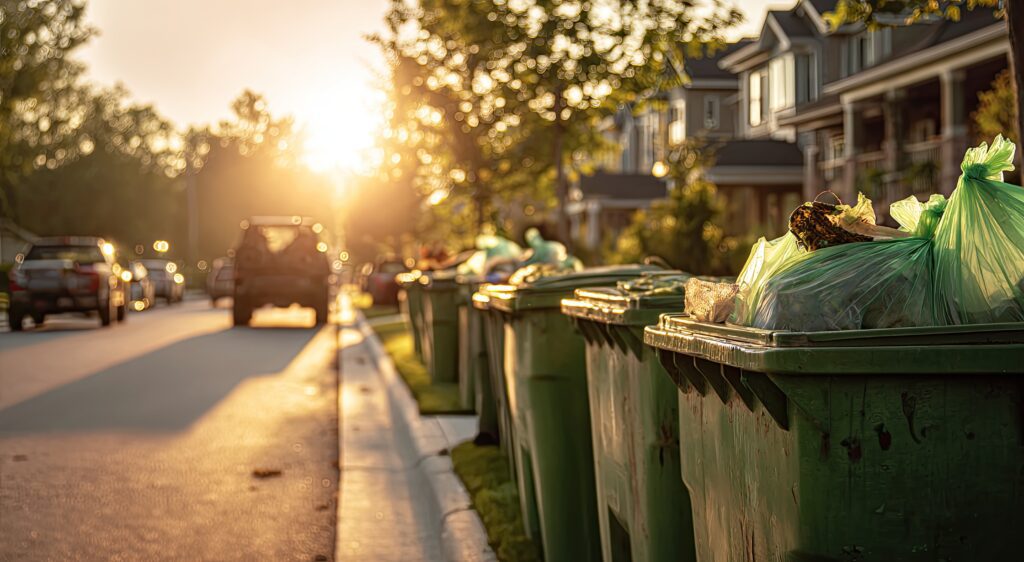
Residents leaving trash out too early or too late can lead to pest problems, odor complaints, and even HOA violations. It also disrupts property appearance and daily operations.
The Solution:
GreenWay’s CollectConnect and AiNotify tools offer automated reminders and real-time violation tracking, significantly reducing non-compliance. Properties in Phoenix, Nashville, and Charlotte have seen a major drop in early/late set-outs thanks to this technology.
2. Bulk Item Accumulation
The Problem:
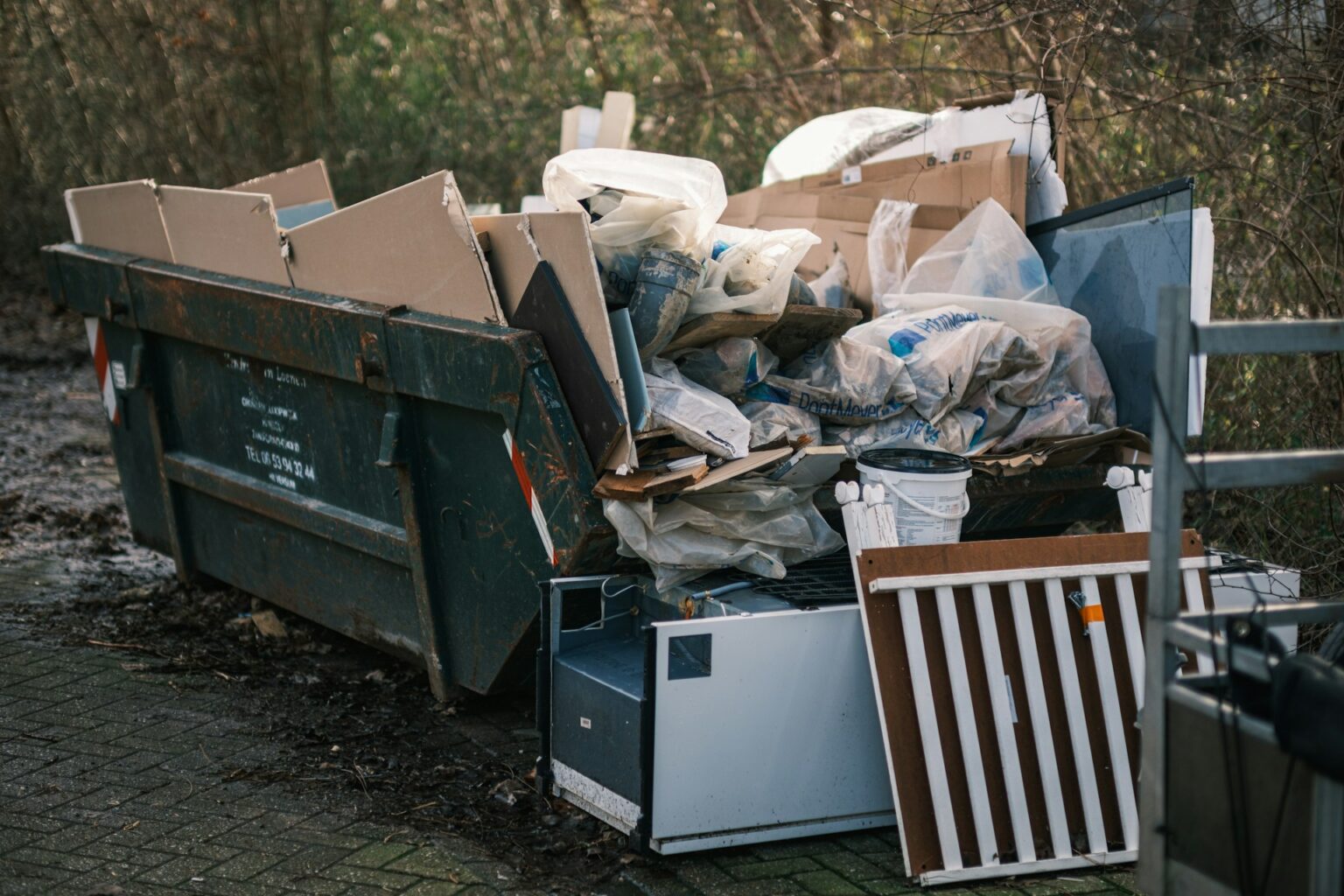
Old furniture, mattresses, and appliances stacked around dumpsters become eyesores and potential code violations. They can also block access for scheduled trash pickups and frustrate neighboring residents.
The Solution:
GreenWay’s door-to-door bulk pickup service eliminates the need for residents to arrange third-party haulers. This proactive service prevents bulk buildup and saves property managers from reactive cleanup and citations.
3. Improper Waste Bagging & Sorting
The Problem:
Loose trash, exposed food waste, and improper recycling contaminate collection areas and increase the workload for maintenance teams. Worse, they can cause sanitation fines or delays in pickup.
The Solution:
Ongoing resident education, coupled with easy-to-follow disposal guidelines, can increase compliance. GreenWay partners with properties to provide signage, digital resources, and even on-site support to improve behavior and reduce mess.
4. Pet Waste Station Neglect
The Problem:
Overflowing pet waste containers and empty bag dispensers not only hurt the property’s image but also pose health risks and create unnecessary resident tension.
The Solution:
GreenWay offers weekly pet station maintenance, including restocking and cleaning, to ensure these highly visible areas stay fresh, functional, and complaint-free.
5. Illegal Dumping & Unauthorized Disposal
The Problem:
Non-residents or unauthorized users dumping waste on your property can lead to expensive cleanup, compliance issues, and legal risks—especially without a way to prove it happened.
The Solution:
Our technology and field teams support real-time reporting and documentation, allowing properties to track patterns, deter unauthorized use, and provide proof for any enforcement or insurance needs.
The Bigger Picture
With service across 1,500+ communities in 20+ states, GreenWay Waste & Recycling has seen it all. The most successful properties don’t just react to violations—they implement systems that prevent them altogether.
By partnering with a provider who understands the operational challenges of multifamily, you gain tools, technology, and team support that help you stay ahead of violations—and ahead of the competition.